About Brandon Klein
Brandon Klein is Executive Chairman of Collaboration.Ai and the first Chief Collaboration Officer at a Fortune 100 company. Over 25 years he has founded more than a dozen companies and written a #1 book on collaboration. Today he runs his work on AI agents and twenty years of his own data, and he teaches the next generation how to thrive in a human-first AI world.
The short version, in my words.
For most of history, we did the work by hand. The mail before email. The factory floor before the robot arm. A lot of that old way is still around, and it's starting to fade.
I believe AI can take over the legacy work, the grunt stuff, the busywork, the parts of the day that drain you, so you can spend your time on the work you love and the work where you make the most impact. But it only works if we do it in a human way. People must stay at the center.
I'm a dad of three, teaching my kids, and the entire next generation, what work looks like in this new world and how to do well in it.
I'm Executive Chairman of Collaboration.Ai, where our software runs innovation programs across the US government. I was the first Chief Collaboration Officer at a Fortune 100, wrote a #1 book on collaboration, and over 25 years started more than a dozen companies, named one of the 100 Best Workplaces for Innovators, top 20 alongside Google, Microsoft, and Amazon.
I run all of my current work alongside AI agents and twenty years of my own data, and I show you how to do the same.
Everyone demos agents on throwaway data. I point mine at twenty years of the real thing.
Not bragging numbers, the receipts under the work. Every figure is computed from systems I own or pulled from public record. You cannot fake the footage.
What 20 years taught me.
The longer story, kept out of your way. Open what you want. No client names, no raw data, just the shape of the work.
01Selected work and the build
Started my first company at 18; founded more than a dozen over ~25 years across health, government, media, and enterprise. Each got its own CEO; each only started with revenue.
Built Europe's largest natural-health platform and sold it to Tesco PLC. Produced a documentary that reached ~75 million people. Helped integrate 82 acquisitions at a Fortune 100. Patented a method that compresses nine months of work into three days.
02Government programs
Collaboration.Ai's software supports the agencies behind federal innovation funding. Congress invests $4B+ a year in SBIR/STTR.
Mapped and activated AFWERX's 50,000-plus ecosystem at 96% satisfaction. Moved a pilot-helmet program from one prototype in 10 years to multiple in under six months. A searchable index of 214,579 awards since 1982, across 33,666 companies.
03Awards and recognition
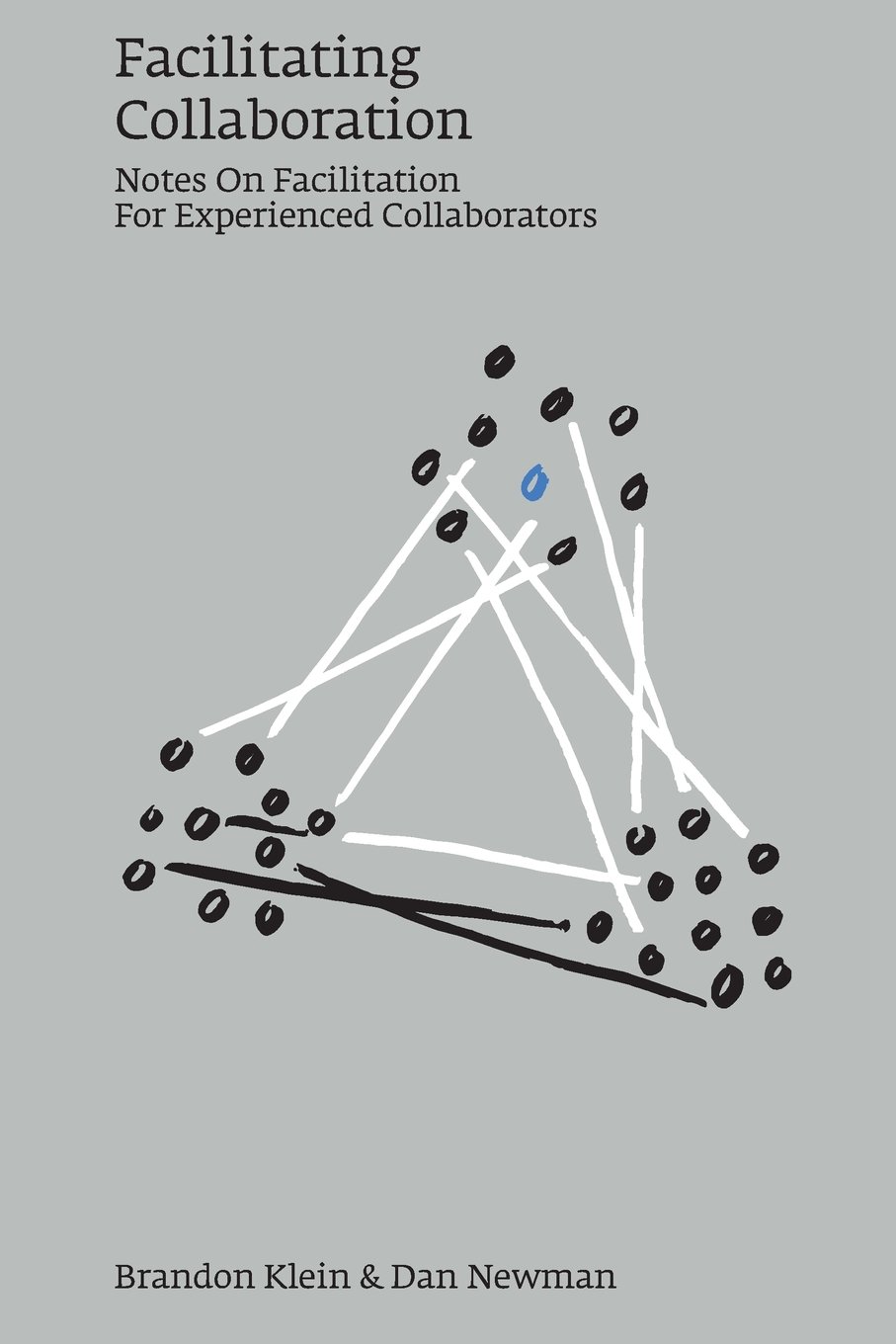
Fast Company's 100 Best Workplaces for Innovators (2020) at No. 16 · top 20 alongside Google, Microsoft, and Amazon. #1 Amazon bestseller, Facilitating Collaboration (2016). First Chief Collaboration Officer at a Fortune 100. 32 Fortune 100 transformations, with a lineage through the G20, the Arab League, and the World Economic Forum.
04What the data graph actually is
One deduplicated trust graph of about 26,000 people, built from a legacy CRM, a LinkedIn archive, Google Contacts, and an email graph. It sorts into five trust tiers, with an activatable center of roughly 8,000 people.
Under the tiers: more than 150,000 interactions across two decades, plus the public 214,579-award database. My agents reason over both. I show counts and the decision, never raw names.
05The give-first numbers
Across 2,825 introductions over 21 years: a 48.6-to-1 give-to-ask ratio (2,383 intros made, 49 asks). 97.4% were unsolicited.
In my own data, an email intro works ~64% of the time and an in-person one closer to 100%. Moving an intro from email to in-person roughly triples the outcome. A connector adds value; a broker extracts it.
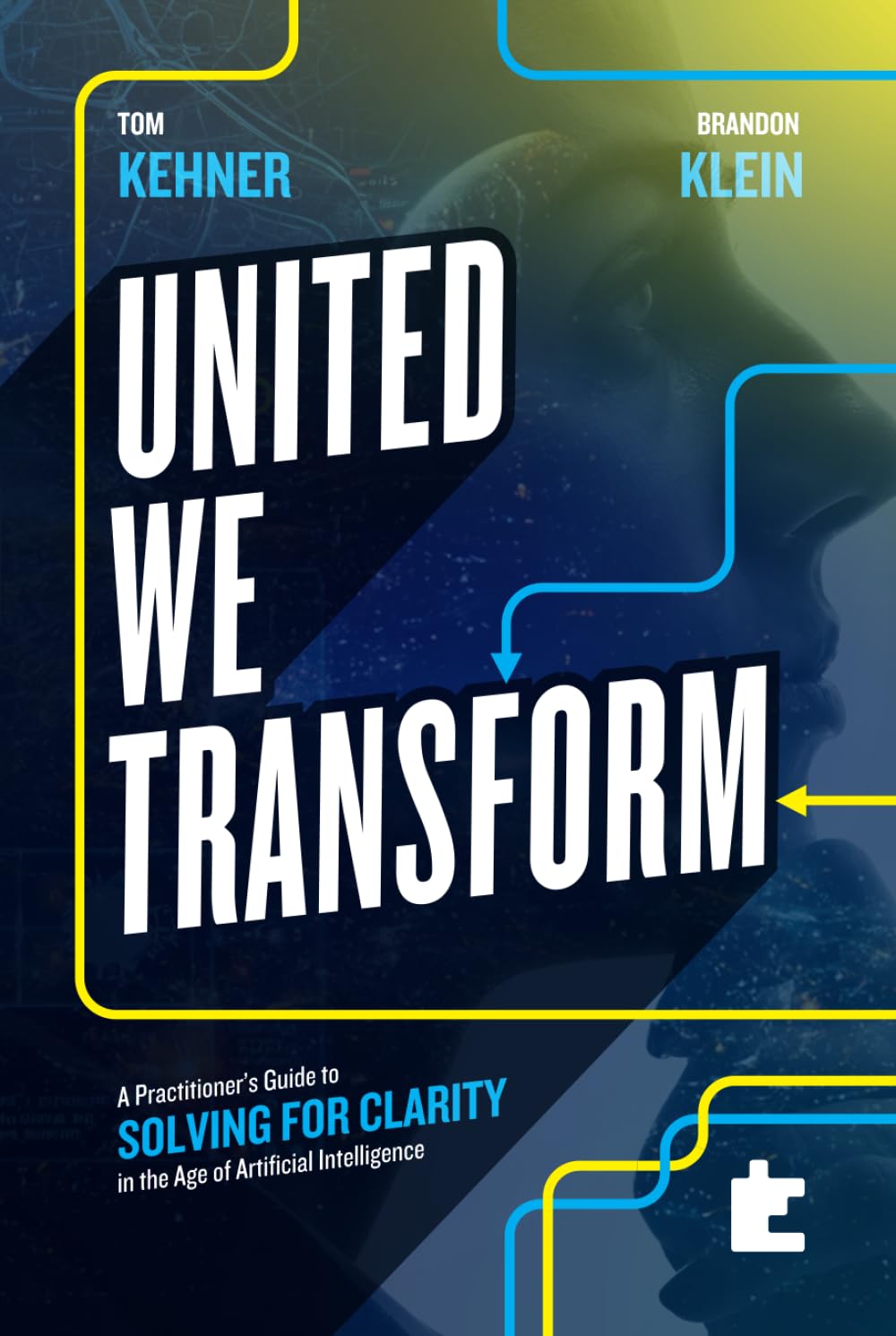
If you want the playbook, I wrote it down.
Frequently asked.
+Who is Brandon Klein?
Executive Chairman of Collaboration.Ai and the first Chief Collaboration Officer at a Fortune 100. Over 25 years he has founded a dozen-plus companies and written a #1 Amazon book on collaboration. Today he runs his company and his life on AI agents pointed at twenty years of his own data, and teaches the next generation how to thrive in a human-first AI world.
+What is human-first AI?
A way of working where people set direction and keep judgment, and AI agents handle the heavy, repetitive, draining parts of the day. Agents take the draining parts so people spend their time on the work they love. The word order is the point: humans first, then the agents.
+What does "agents on data you actually own" mean?
Running AI agents on your own private information instead of public or throwaway data. Brandon points agents at a deduplicated 26,000-person trust graph and a 214,579-award federal database, on screen, including where they get it wrong. Agents reasoning over data only you own is the part competitors structurally cannot copy.
+What is the AI Dad?
Brandon doing this work in public as a parent of three. He shares what raising kids in an AI world looks like and teaches the next generation what work looks like in a human-first AI future. It lives mostly on Instagram at @ai_dad_3, and carries the warmth that keeps the rest of the work honest.
+What is Collaboration.Ai?
The company where Brandon is Executive Chairman. Its software runs innovation programs across the US government, it mapped and activated AFWERX's 50,000-plus ecosystem at 96% satisfaction, and the Air Force credited it on the record for moving a pilot-helmet program from one prototype in 10 years to multiple in under six months.
+What is the future of work?
The shift away from doing knowledge work by hand toward a human-first AI way of working. The old manual way is fading, yet most leaders still hire and train for it. The future is deciding which work a person should never touch again, then building the system that takes it off their plate.
+What are the four sandboxes?
Brandon's frame for how work happens now: Human to Human, Human to Agent, Agent to Agent, and Agent to Human. Every interaction at work lands in one of the four. Naming the sandbox you're in makes it clear who's doing what, and where a human keeps judgment. The closing question: what sandbox are you in?